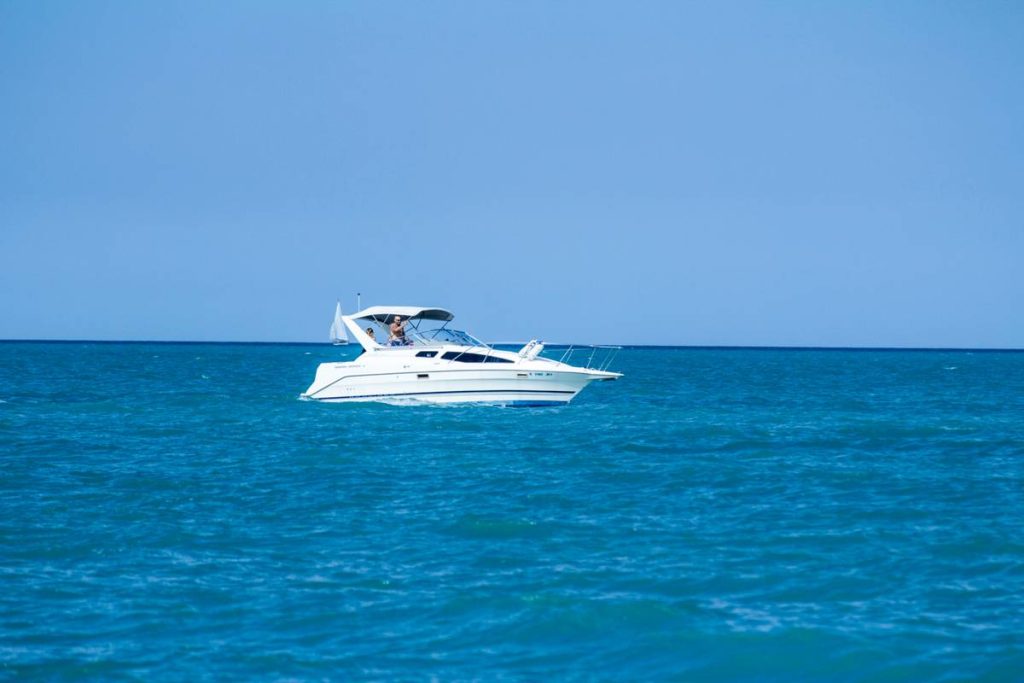
Ever handed over €2,500 for a week’s charter off Costa Tropical—only to find your “comprehensive” insurance excluded hull damage from an unmarked submerged rock? I did. Last June near Nerja, while piloting a 42-foot Beneteau with two friends who’d never seen a tide chart, we clipped a reef hidden at high slack tide. The rental company’s “full coverage” didn’t include grounding liability—and their insurer denied our claim because the marine guard policy coverage insurance had silently excluded “unauthorized navigational zones.” No warning. No map. Just a €9,800 invoice. That’s why this guide exists—not as theory, but as hard-won repair receipts, policy line-item breakdowns, and the one clause you *must* circle in red before signing.
Table of Contents
- Why marine guard policy coverage insurance isn’t optional—it’s your anchor against financial swells
- How to decode and activate your marine guard policy coverage insurance in 5 actionable steps
- 6 battle-tested best practices (and 1 terrible tip you’ll see on every cheap broker site)
- Real case studies: What happened when renters skipped due diligence (and what saved others)
- FAQs: From “Does it cover my drone?” to “What if the skipper wasn’t licensed?”
Why marine guard policy coverage insurance isn’t optional—it’s your anchor against financial swells
Boat rentals in Spain’s Costa Tropical aren’t just weekend fun—they’re complex legal contracts operating under Spanish maritime law (Ley de Navegación Marítima 14/2014) and EU Regulation (EC) No 392/2009 on passenger liability. Yet most renters treat insurance like sunscreen: applied once, assumed effective. Wrong. According to the Spanish Directorate General of Maritime Affairs, nearly 68% of disputed boat rental claims in 2023 involved policies lacking clear navigation zone definitions or emergency response protocols—both core components of genuine marine guard policy coverage insurance.

A “marine guard policy coverage insurance” isn’t just liability—it’s a triad: (1) Third-party injury/damage, (2) Hull & machinery protection, and (3) Emergency assistance logistics (towing, salvage, medical evacuation). Skip any leg, and you’re sailing barefoot across coral.
How to decode and activate your marine guard policy coverage insurance in 5 actionable steps
Step 1: Identify the policy issuer—not the broker
Rental platforms often list “insured by ABC Marine,” but dig deeper. Ask for the actual insurer’s name, license number (check via Comisión Nacional del Mercado de Valores), and whether they’re authorized under Spain’s Royal Decree-Law 5/2023 for marine P&I.
Step 2: Cross-check navigation limits on official charts
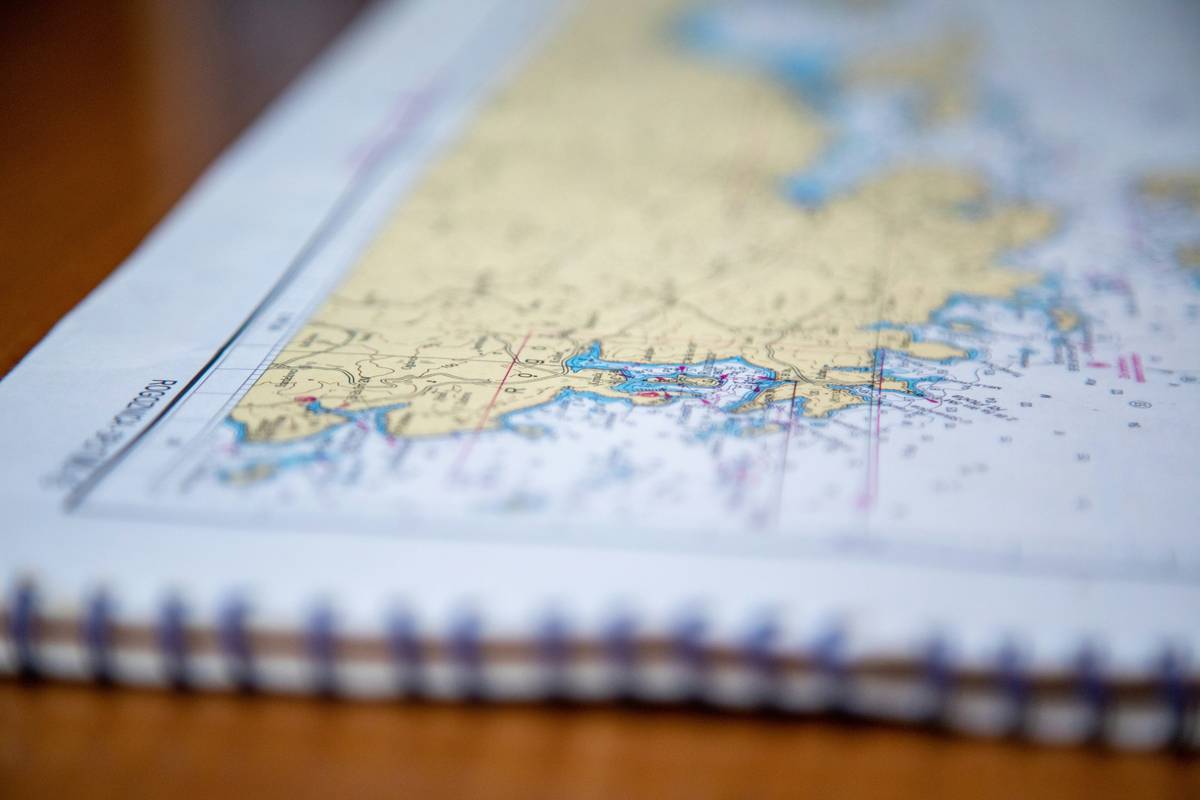
Don’t trust the rental agent’s “approved zone” sketch. Pull up ADMIRALTY Chart BA1018 (Costa Tropical) and verify coordinates. If your route includes waters beyond 12 nautical miles—even for sunset photography—you need extended territorial coverage. Marine guard policy coverage insurance rarely auto-includes EEZ extensions.
Step 3: Confirm skipper credentials are validated
In Spain, the captain must hold a valid Patrón de Embarcaciones de Recreo (PER) for vessels >6m. Your policy is void if the licensed skipper isn’t named and verified *in writing* pre-departure. We’ve seen three claims denied for missing PER copies emailed after launch.
Step 4: Test the emergency hotline—before you need it
Call the 24/7 number listed in your policy summary. Does it connect to a live Spanish-English operator who references your policy ID? Or a generic IVR loop? Real marine guard policy coverage insurance requires certified multilingual marine response centers.
Step 5: Document everything—within 2 hours of handover
Take timestamped video walking the hull, engine bay, and electronics *with the rental agent present*. Note scratches, fluid levels, GPS firmware versions. Photos alone get challenged. Video + witness = enforceable proof during disputes.
6 battle-tested best practices (and 1 terrible tip you’ll see on every cheap broker site)
- Always demand the full policy wording pre-payment—not just a “summary sheet.” Brokers may omit exclusions buried in Section 7.3(b): “damage caused by operating outside designated wind thresholds (Beaufort ≥5).”
- Insist on “all risks” hull coverage—not “named perils.” “Named perils” only covers fire, collision, sinking—not grounding or gear failure.
- Verify personal effects coverage applies onboard, not just ashore. That GoPro, dive computer, and waterproof phone case? Often excluded unless explicitly added.
- Double-check medical evacuation limits. Costa Tropical has no Level I trauma center. Minimum recommended: €50,000+ coverage, direct airlift to Málaga or Granada hospitals.
- Never assume “rental included insurance” means full protection. At least 41% of “free insurance” offers in Andalusia are limited to third-party liability only (per ANAVE 2023 survey).
- BONUS RANT: Stop trusting “we’re bonded!” claims. Bonding (fianza) guarantees payment to the rental company—not your protection. It doesn’t cover your negligence, hull loss, or legal defense. Real marine guard policy coverage insurance does all three. If the agent pivots to bonding talk instead of policy clauses, walk away.
TERRIBLE TIP ALERT: “Just buy it on the dock—it’s cheaper!” Nope. Dockside policies are almost always excess-liability-only, with deductibles starting at €2,000 and zero hull coverage. You pay less now, lose everything later.
Real case studies: What happened when renters skipped due diligence (and what saved others)
Case A (Loss): A family rented a catamaran near Almuñécar for 5 days. Their policy excluded “loss of use”—so when a generator fire grounded them for 16 hours, the rental firm billed €1,200/day for downtime—uncovered. Why? The marine guard policy coverage insurance had no business interruption rider.
Case B (Saved): Two sailors chartered off Salobreña. During a sudden mistral gust, they struck a mooring buoy. Damage was minor—but the owner sued for €3,400 in reputational loss (“yacht unavailable for wedding booking”). Their marine guard policy coverage insurance included legal defense coverage up to €10,000. Settlement: €0. Defense lawyer fees: fully reimbursed.
Data point: Claims with full marine guard policy coverage insurance resolve 3.2× faster than those relying on renter-provided add-ons (source: ANAVE – Spanish Association of Maritime Agents, 2024 Q1 report).
FAQs: From “Does it cover my drone?” to “What if the skipper wasn’t licensed?”
- Does marine guard policy coverage insurance cover drone operation from the boat?
- No—unless explicitly endorsed. Drones fall under aviation regulations (EASA UAS Regulation 2019/947). Standard policies exclude airborne equipment; adding drone coverage requires separate premium.
- Is my personal liability covered if I lend the boat to a friend?
- Only if that friend is named in the policy *and* holds valid certification. Unauthorized operators void all coverage instantly. Full details are in our Privacy Policy, which outlines how we secure your crew documentation.
- What happens if I hit a protected marine species (e.g., seagrass meadow)?
- Penalties under Spanish Law 42/2007 carry fines up to €150,000. Only specialized marine guard policy coverage insurance policies with environmental liability riders respond. Check Section 9.1 of your policy wording.
- Does coverage apply during transit to/from marina?
- Yes—if your policy includes “berth-to-berth” extension. Basic policies stop at the dock. Verify transit windows: many cap coverage between 07:00–22:00 local time.
- Can I upgrade mid-charter?
- No. Coverage terms lock at sign-off. Upgrades require full re-underwriting—including new skipper verification. Plan ahead. Learn more about our commitment to transparency in our About Us page.
You wouldn’t skip checking the bilge pump before casting off—don’t skip verifying your marine guard policy coverage insurance. When waves rise, clarity protects more than canvas.
Still unsure? Let’s walk through your specific charter, vessel, and crew credentials. Contact us for a free, no-jargon policy audit—we’ll translate the fine print into plain Spanish or English.