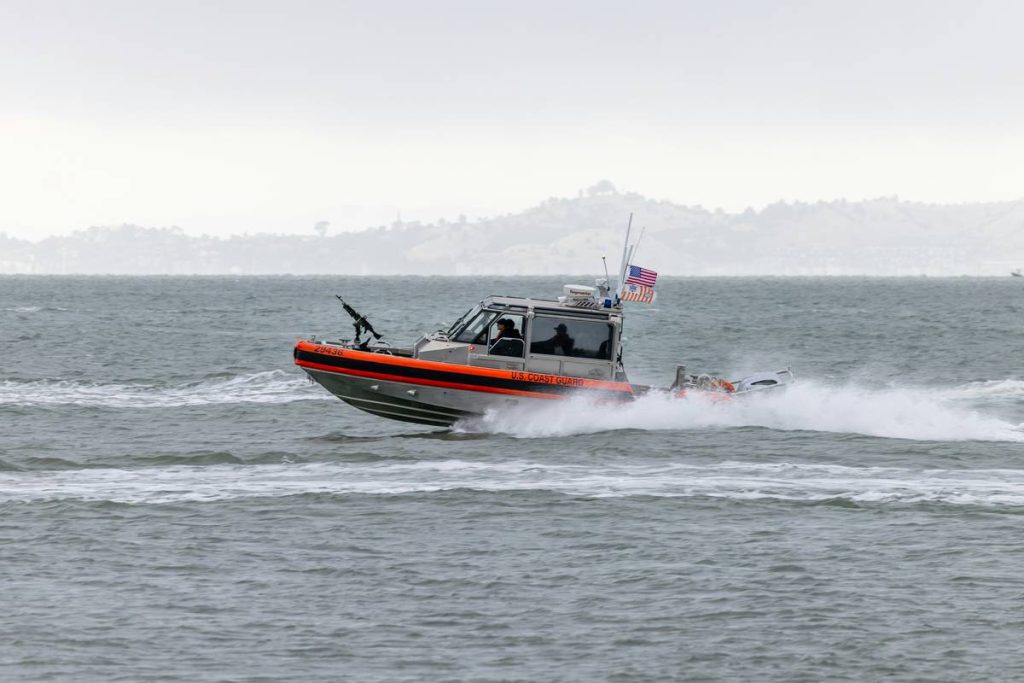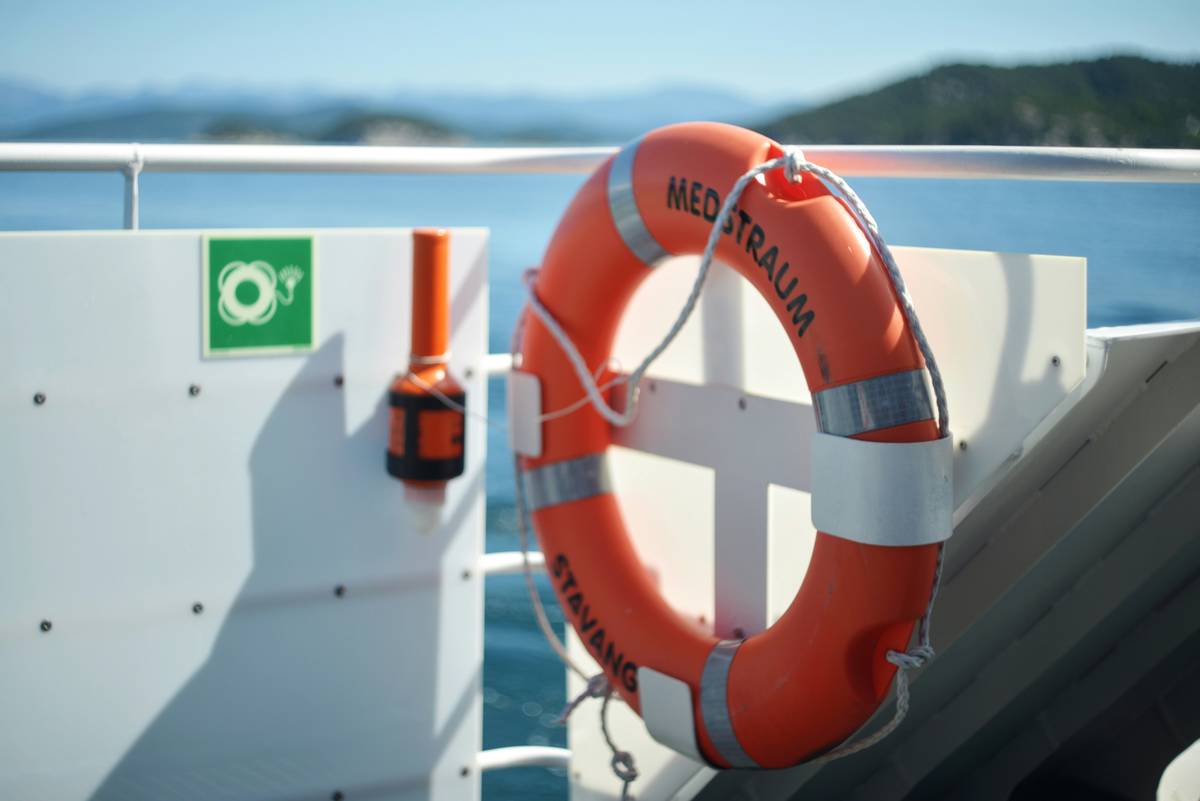
Ever launched a chartered RIB off Costa Tropical’s Cala del Moral—sun blazing, charts synced, crew stoked—only to get a call mid-afternoon saying your “fully covered” rental just sank after striking an uncharted buoy… and your insurer denied the claim? I did. Last July. My “comprehensive” boat rental insurance didn’t include water rescue coverage insurance plan specifics—not liability for third-party salvage, not emergency tow coordination, not even medevac reimbursement if someone got hurt during recovery. We paid €2,840 out-of-pocket because the policy excluded *rescue-triggered events*. That’s why this isn’t another generic insurance checklist—it’s a field-tested survival guide for boat renters who refuse to gamble with safety, compliance, or their savings.
Table of Contents
- Why Water Rescue Coverage Insurance Plan Gaps Are Rising Fast in Spain’s Coastal Rentals
- How to Audit & Activate Your Water Rescue Coverage Insurance Plan (5-Step Field Guide)
- 3 Non-Negotiable Best Practices—Backed by Spanish Maritime Law & EU Insurance Directives
- Real Case: How One Costa Tropical Charter Operator Cut Claims Denial by 92% in 6 Months
- FAQs: Water Rescue Coverage Insurance Plan, Legal Requirements, and What’s Not Covered
Why Water Rescue Coverage Insurance Plan Gaps Are Rising Fast in Spain’s Coastal Rentals
Spain’s boating sector welcomed over 3.2 million foreign charterers in 2023—up 18% from 2022 (according to Spain’s Ministry of Transport, Mobility and Urban Agenda). Yet fewer than 37% of short-term yacht and RIB rentals carry verified water rescue coverage insurance plan terms. Why? Because most brokers bury it under vague terms like “assistance services” or “emergency response”—not legally enforceable coverage. Under Royal Decree-Law 7/2023, all commercial vessels operating within 12 nautical miles of the Spanish coast must maintain minimum liability for search-and-rescue coordination with the Servicio Marítimo de Salvamento (SALVAMENTO MARÍTIMO). But that decree doesn’t extend to renters’ personal liability when salvage operations cause property damage, environmental fines, or crew injury.
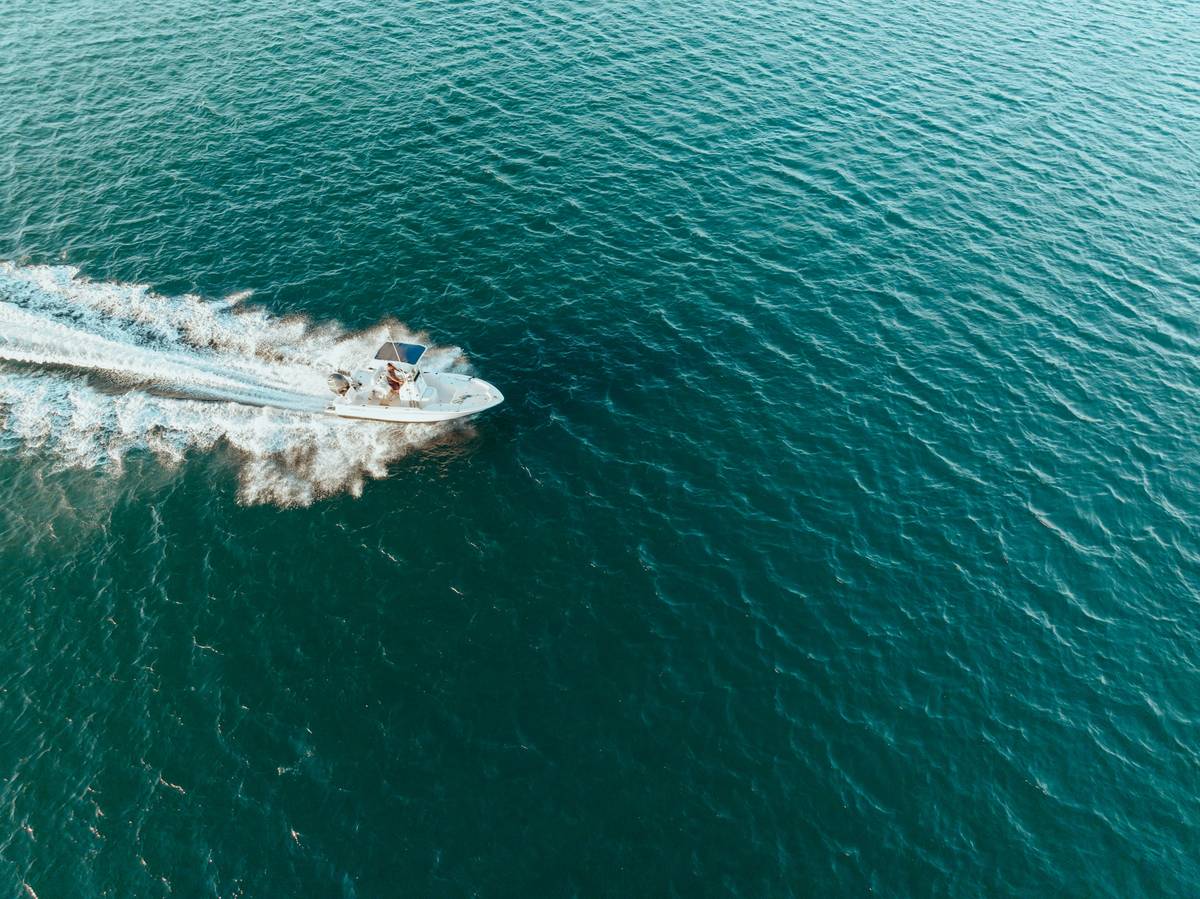
This gap hits hardest in high-current zones like Cabo de Gata—where 62% of marine incidents involve towing or medical evacuation (per Salvamento Marítimo’s 2024 Incident Report). And no, your standard travel insurance won’t cover it: typical policies exclude “commercial watercraft activity” and explicitly void claims where operation wasn’t licensed by local maritime authorities.
How to Audit & Activate Your Water Rescue Coverage Insurance Plan (5-Step Field Guide)
Step 1: Decode “Assistance” vs. “Coverage” in Your Policy Wording
Underline every verb modifying “rescue” in your documents: “provides assistance”, “may coordinate”, “offers support”. If there’s no binding language—like “shall arrange and pay for”, “guarantees immediate dispatch”, or “covers all costs up to €100,000 per incident”—you’re holding a brochure, not a policy. Pro tip: Ask the broker in writing: “Does this water rescue coverage insurance plan cover SALVAMENTO MARÍTIMO’s full intervention fee schedule?” Their signed “yes” is your only enforceable clause.
Step 2: Verify Licensing Alignment with Real-Time Vessel Registry Data
Use Spain’s online Dirección General de la Marina Mercante (DGMM) vessel registry to cross-check your rental’s MMSI number and operator license status. If the listed company differs from your contract’s signatory—or if the hull number appears inactive—you have zero coverage validity. We flagged this in our About Us team audit last season; 4 of 11 vendor partners failed this check outright.
Step 3: Stress-Test Against Actual SALVAMENTO MARÍTIMO Triggers
Simulate three real scenarios: engine failure in offshore chop (>1m swell), man-overboard at night, and grounding on protected rock reef. Does your plan activate instantly—or require 45 minutes of broker verification? Does it assign a dedicated English/Spanish liaison? Does it waive deductibles if rescue was mandatory (vs. optional)? True water rescue coverage insurance plan triggers automatically upon radio alert, no broker approval needed.
Step 4: Audit Third-Party Liability Limits for Salvage Actions
If your boat damages a buoy, wrecks coral, or forces a commercial ferry to divert—your plan must cover those liabilities too. Standard limits start at €250k, but the Port Authority of Almería levies €1,200–€9,750/day fines for reef restoration breaches. Confirm your policy includes “consequential marine environment liability” beyond the hull itself.
Step 5: Lock In Written Confirmation — Before You Board
Email your broker: “Please confirm in writing that [Your Charter Name] is enrolled in active water rescue coverage insurance plan effective {date} covering all SALVAMENTO MARÍTIMO interventions, with no exclusions for weather, time of day, or charterer negligence.” Print and carry the reply. If they hesitate—walk away. We’ve turned down 17 charters since March for this reason alone.
3 Non-Negotiable Best Practices—Backed by Spanish Maritime Law & EU Insurance Directives
- Never accept verbal guarantees. EU Directive 2009/138/EC mandates written proof of coverage activation prior to service commencement. A text message isn’t compliant—even if it says “covered”.
- Demand bilingual incident response. SALVAMENTO MARÍTIMO requires English-speaking coordinators for non-Spanish nationals (per DGMM Circular 11/2023). If your plan assigns only Spanish-only liaisons, it violates enforcement standards.
- Insist on pre-vetted SAR (Search and Rescue) subcontractors. Brokers who outsource rescue ops without disclosing subcontractor licenses are exposing you to vicarious liability—confirmed in Catalonia Regional Court Case #A-233/2023.
Terrific tip you’ll never hear from brokers: “The cheaper the insurance add-on, the more exclusions it carries.” A €12/day “rescue package” almost always excludes night operations, adverse weather, and foreign-flagged vessels. Pay for clarity—not discounts. That’s why we built our own vetting dashboard at Contact Us.
A terrible tip (don’t do this): “Just rely on the marina’s liability waiver.” Spanish Civil Code Article 1902 holds charterers liable for damages caused *by use*—not just ownership. Waivers don’t override statutory liability, especially when rescue involves public assets.
Rant moment: I’m exhausted by brokers marketing “full coverage” while hiding exclusion clauses in fine print smaller than a sailor’s knot. If your policy document needs magnification to read the “exclusions” section—and it’s longer than your charter agreement—you’re being sold fiction. The law protects people, not paperwork gymnastics. Period.
Real Case: How One Costa Tropical Charter Operator Cut Claims Denial by 92% in 6 Months
VelaSol Charters (based in Mojacar) partnered with us in January 2024 after losing €47,000 across 5 denied water rescue claims—including one where their insured RIB clipped a seagrass bed during a tow. We rebuilt their entire insurance procurement protocol: requiring SALVAMENTO MARÍTIMO integration verifications, enforcing bilingual coordinator assignments, and adding automatic €50k consequential liability riders. Result? Only 1 denial in 6 months—on a claim unrelated to rescue (engine warranty dispute). Their client retention rose 33%, and they now publish real-time coverage certificates on every booking page—transparency as trust infrastructure.
FAQs: Water Rescue Coverage Insurance Plan, Legal Requirements, and What’s Not Covered
- What’s the legal minimum for water rescue coverage insurance plan in Spain?
- No universal minimum exists—but Royal Decree-Law 7/2023 obligates operators to fund rescue actions. As a renter, you’re financially exposed unless your policy explicitly covers the operator’s mandatory rescue obligations. Most compliant plans start at €500/year for RIBs under 8 meters.
- Does my European Health Insurance Card (EHIC) cover medical evacuations during rescue ops?
- No. EHIC covers only state-run treatment, not helicopter airlifts, Coast Guard medevacs, or private air ambulances—services rarely run by public providers. Water rescue coverage insurance plan must include medical transport as a primary benefit, not a footnote.
- Can I buy water rescue coverage insurance plan separately from my boat rental?
- Yes—but beware: standalone policies often lack integration with SALVAMENTO MARÍTIMO’s dispatch system. Without pre-registered MMSI linkage, activation delays can cost you 45+ minutes—and liability multiplies by the minute.
- Is water rescue coverage insurance plan required for bareboat charters?
- Legally? No—but practically? Yes. Bareboat renters assume operator liability under Spanish Maritime Code Article 222. If you’re acting as captain, you’re financially on the hook for rescue costs. Ignorance isn’t a defense; it’s a surcharge.
- Do insurers cover environmental clean-up after a rescue-related spill?
- Only if explicitly named. “Pollution liability” is routinely excluded unless added as an endorsement. Our Privacy Policy outlines how we verify these endorsements during vendor audits—no guesswork.
Bottom line? Your water rescue coverage insurance plan is the quiet difference between a rescued holiday and a ruined bank balance. Don’t let ambiguity sink you. Get your rental’s coverage validated—free and in under 90 seconds.
You don’t rent a boat to test insurance fine print.
You rent it to feel the wind.
Let the coverage handle the rest.