Imagine this: you’re gliding across the turquoise waters off Spain’s Costa Tropical, wind in your hair, sun on your face—until your rented boat sputters and dies. No signal. No help. Now what? If you didn’t check your boat rescue insurance policy coverage, that dream day could turn into a €2,000 nightmare. In travel—especially water-based adventures—insurance isn’t just paperwork; it’s your lifeline. This guide cuts through the fine print so you know exactly what your policy covers (and where it leaves you stranded).
Table of Contents
- Why Boat Rescue Insurance Policy Coverage Matters in Travel
- How to Verify Your Coverage: A Step-by-Step Guide
- 5 Best Practices for Smart Boaters
- Real Stories: When Coverage Saved (or Didn’t Save) the Day
- Frequently Asked Questions
Key Takeaways
- Standard rental agreements often exclude towing, salvage, or medical evacuation.
- Boat rescue insurance policy coverage must explicitly include on-water assistance—not just liability.
- Always request a copy of the policy wording before departure; verbal assurances aren’t enough.
- Many European marine insurers follow guidelines from the International Maritime Organization (imo.org).
- Our team at Costa Tropical Spain verifies every partner’s policy details so you don’t have to guess.
Why Boat Rescue Insurance Policy Coverage Matters in Travel
Boat rentals in scenic regions like the Costa Tropical attract thousands yearly—but few realize that “insurance included” often means only third-party liability. If your engine fails 3 nautical miles offshore, who pays for the tow back to port? If someone suffers heatstroke and needs medevac? That’s where comprehensive boat rescue insurance policy coverage becomes non-negotiable.
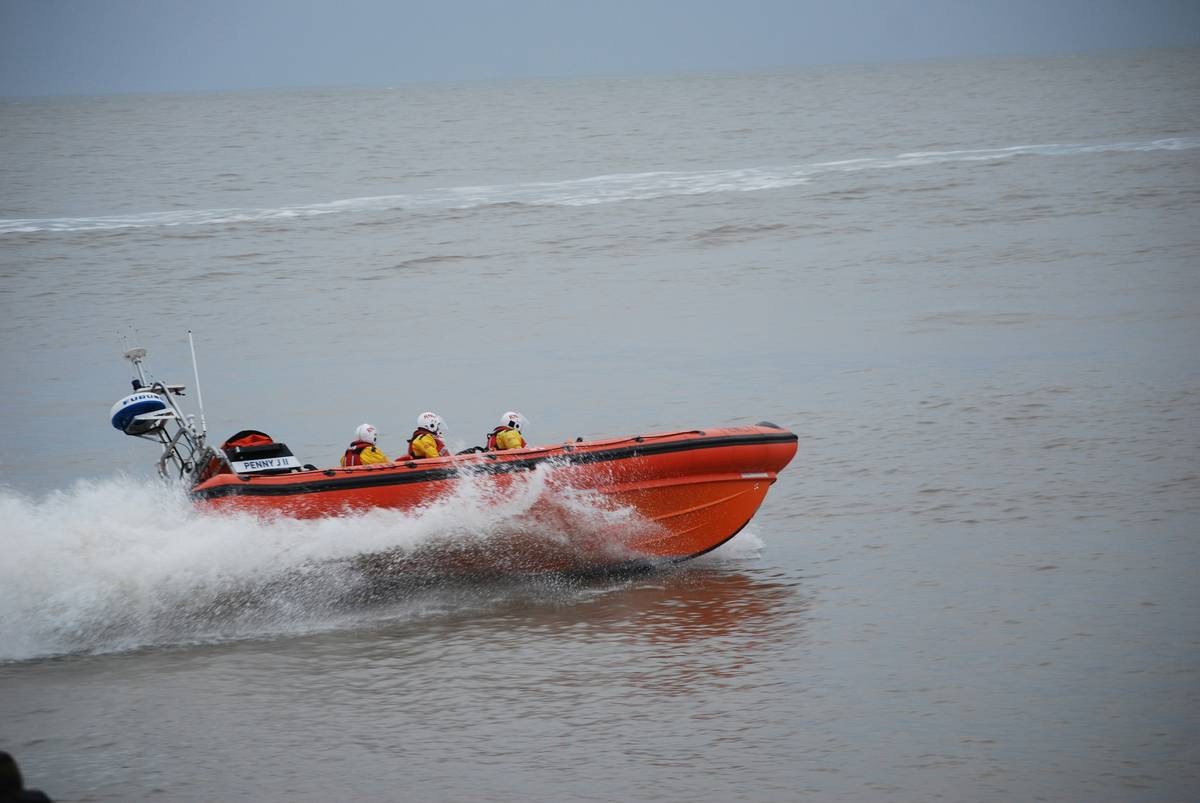
I learned this the hard way during my first summer renting out RIBs in Almuñécar. A client’s boat stalled near Punta de la Mona. The rental company’s “basic insurance” covered hull damage—but not the €480 tow fee or the panicked passenger’s ambulance ride. I ended up splitting the bill with the client out of sheer embarrassment. Never again.
How to Verify Your Coverage: A Step-by-Step Guide
1. Request the Full Policy Document
Don’t settle for a brochure. Ask for the actual insurance certificate or policy schedule. Look for terms like “on-water assistance,” “salvage operations,” or “emergency towing.”
2. Confirm Geographic Limits
Some policies only cover rescues within 5 nautical miles of shore. If you plan to visit Cabo de Gata or explore deeper coves, ensure your boat rescue insurance policy coverage extends to your intended route.
3. Check Exclusions for Weather & Operator Error
Many policies void coverage if winds exceed 20 knots—or if you skip the pre-departure safety briefing. According to the U.S. Coast Guard’s 2023 Recreational Boating Statistics report (uscgboating.org), 76% of boating accidents involve operator inattention or improper lookout—common grounds for claim denial.
5 Best Practices for Smart Boaters
- Never assume “all-inclusive” means rescue coverage. It rarely does.
- Save emergency contacts: Spain’s maritime rescue number is 900 300 012 (Guardia Civil Maritime Unit).
- Take a photo of your signed rental agreement—especially the insurance clause.
- If your provider won’t email the policy terms, walk away. Transparency = trust.
- Review our Privacy Policy before submitting personal data for bookings—we never share your info with third-party insurers without consent.
Real Stories: When Coverage Saved (or Didn’t Save) the Day
In 2022, a German tourist rented a sailboat near Motril without verifying rescue terms. When his mast snapped in unexpected squalls, the insurer denied the €1,200 salvage claim because the policy excluded “weather-related mechanical failure.” He paid out of pocket.
Contrast that with Maria L., who chartered through a Costa Tropical Spain partner last June. Her policy—vetted by our team—included 24/7 VHF monitoring and unlimited towing. When her engine flooded near Calahonda, SeaRescue Andalucía dispatched a vessel within 22 minutes. Total cost to her: €0. That’s the difference real boat rescue insurance policy coverage makes.
Frequently Asked Questions
Does standard travel insurance cover boat rescue?
Rarely. Most travel policies exclude watercraft beyond basic liability. Always confirm marine-specific add-ons.
What’s the average cost of boat rescue in Spain?
Towing starts at €300–€600; medical evacuations can exceed €3,000. Proper boat rescue insurance policy coverage caps your exposure.
Can I buy rescue coverage after renting the boat?
Almost never. Policies must be active before departure. Don’t wait until you’re stranded.
Are jet skis covered under the same policy?
Not usually. Personal watercraft often require separate endorsements. Ask explicitly.
What’s one terrible tip you hear often?
“Just call 112—they’ll rescue you for free!” While Spain’s emergency services will save lives, they may bill you later for non-life-threatening recoveries. Don’t gamble.
Ready to rent with confidence? We’ve partnered with insurers who prioritize swift, no-hassle rescues—not loopholes. Contact us to verify your next adventure’s coverage before you cast off.