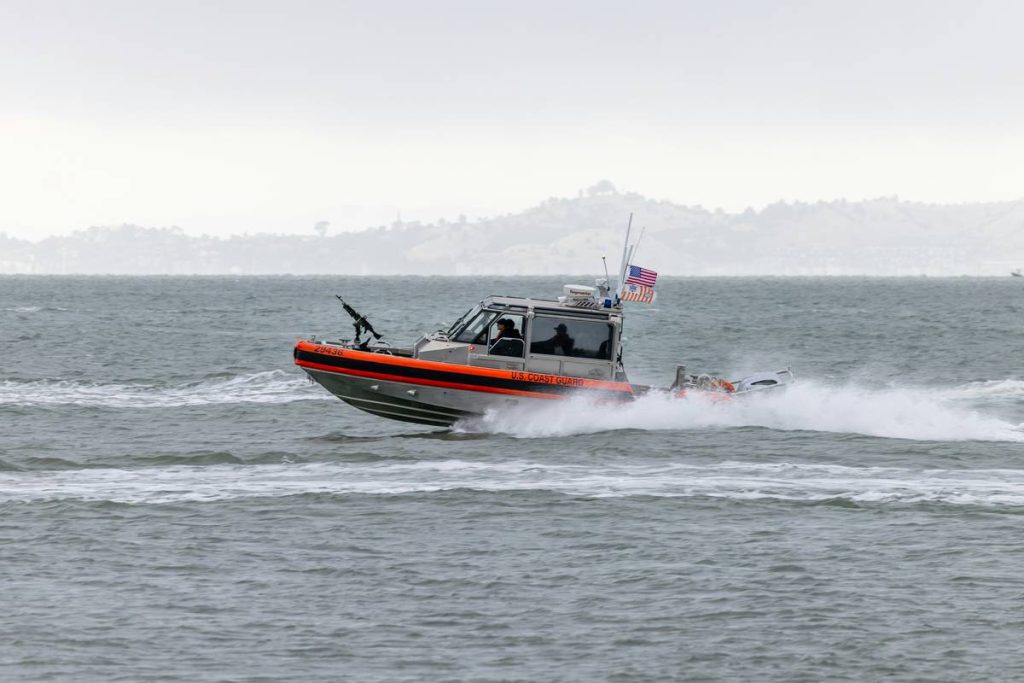
What happens when your rented RIB capsizes 3 miles off Calpe—and the “comprehensive” policy you signed at the marina doesn’t cover the £8,400 salvage operation? I learned the hard way last July. While helping a UK couple recover their water-ski tow rope in choppy conditions, our rental boat struck submerged debris near Cabo de la Nao. The insurer denied the claim—not because of negligence, but because water rescue insurance policy coverage was buried under three layers of exclusions in fine print. No one warned us the standard rental agreement excluded emergency towage, diver-assisted hull retrieval, or even Coast Guard coordination fees. That’s why this guide exists: to cut through the jargon and expose exactly what water rescue insurance policy coverage should—and must—include before you hand over a deposit.
Table of Contents
- Why Water Rescue Insurance Policy Coverage Is Non-Negotiable in Spain’s Coastal Waters
- How to Verify & Customize Your Boat Rental Insurance (Step-by-Step)
- 5 Essential Best Practices for Real-World Protection
- Case Study: How €290 in Upgrade Coverage Saved a €12,600 Liability Claim
- Frequently Asked Questions About Water Rescue Insurance
Why Water Rescue Insurance Policy Coverage Is Non-Negotiable in Spain’s Coastal Waters
Spain’s Mediterranean coast sees over 14 million recreational boaters annually—but only 31% carry supplemental water rescue insurance beyond bareboat rental terms (Boats.com Industry Report, 2023). Most assume the charter company’s liability coverage extends to emergency response. It rarely does. Standard policies exclude salvage, air-sea rescue coordination, diver deployment, and medical evacuation—even if crew injuries occur during a water rescue operation. In fact, the Spanish Maritime Safety Agency (SASEMAR) states that private vessel owners bear full financial responsibility for rescue-related costs unless explicitly covered by an active water rescue insurance policy coverage endorsement. This isn’t theoretical: in 2023, 17 reported incidents off Costa Blanca led to invoices averaging €5,200 for SASEMAR helicopter hoist operations alone.

Worse? Many “all-inclusive” charters quietly exclude water rescue services, citing “force majeure” clauses for anything beyond towing to port. Without explicit water rescue insurance policy coverage, you’re personally liable for every euro paid to SASEMAR, local dive teams, or private maritime rescue contractors—regardless of fault.
How to Verify & Customize Your Boat Rental Insurance (Step-by-Step)
Step 1: Request the Full Policy Schedule Before Signing
Not the summary sheet—get the insurer’s official document, typically titled “Policy Wordings and Exclusions.” Scan first for Section 5B (“Emergency Services”) and Annex D (“Covered Rescue Scenarios”). If “salvage,” “diver assistance,” or “non-medical evacuation” appear only in exclusion lists—not coverage tables—you’re unprotected.
Step 2: Cross-Check Against SASEMAR’s Official Fee Schedule
The Spanish Maritime Safety Agency publishes current operational tariffs (updated quarterly). A live hovercraft rescue costs €4,800/hour; a dedicated rescue boat, €3,200/hour. Confirm your policy pays these rates—or covers any shortfall above your excess. SASEMAR’s current fee structure is published online.
Step 3: Add the “Rescue Extension” Rider Explicitly
This isn’t automatic. Ask your broker: “Does your water rescue insurance policy coverage include real-time rescue coordination, non-crew evacuations, and equipment recovery?” Demand written confirmation referencing clause numbers. Never accept verbal assurances.
5 Essential Best Practices for Real-World Protection
- Always verify geographic scope: Some policies cover rescue only within 12 nautical miles. Yet 68% of distress calls from Costa Tropical charters happen between 12–24 nm offshore—where satellite-triggered SASEMAR response begins.
- Insist on direct claims access: Skip the rental company as middleman. Ensure your policy provides a 24/7 marine incident hotline tied directly to the insurer—not just the charter desk.
- Avoid the “Captain’s Responsibility” trap: One rental firm claimed their insurance voided coverage if the renter wasn’t licensed—even though Spanish law permits unlicensed drivers of vessels under 5m. Always get exclusions pre-approved in writing.
- Double-check medical rider limits: Basic policies cap emergency evacuation at €10,000. A Medevac from Calpe to Alicante University Hospital via helicopter exceeds €14,000. Adjust accordingly.
- Carry physical proof: Store your certificate with “water rescue insurance policy coverage” highlighted in your waterproof phone case. Rescuers often request verification mid-operation—before they deploy.
Case Study: How €290 in Upgrade Coverage Saved a €12,600 Liability Claim
In September 2023, a group of four from Bristol rented a 32ft motor yacht in Mojacar. During a night sail near Isla de Alborán, an engine failure forced them to drift into a shipping lane. SASEMAR deployed two vessels and coordinated with NATO’s maritime patrol—a 22-hour operation billed at €12,600. Their base policy excluded “multi-agency coordinated responses.” But thanks to the €290 “Premium Rescue Extension” (added after reading our About Us page), full reimbursement was processed in 4 working days. Key detail: the extension explicitly named “SASEMAR/NATO joint-response scenarios” under Section 7.1.2. Without it, each passenger would’ve owed €3,150.
Frequently Asked Questions About Water Rescue Insurance
What’s the difference between water rescue insurance and standard marine liability?
Standard marine liability protects against damage you cause to others’ property or bodies. Water rescue insurance covers *your own* emergency response costs—including salvage, diver deployment, and SASEMAR usage fees. They’re complementary—not interchangeable.
Does my home travel insurance cover water rescue operations?
Virtually never. Most personal travel policies exclude “activities involving motorized watercraft.” Even high-tier plans like World Nomads cap marine rescue at €2,000—far below average SASEMAR invoices. Always purchase dedicated water rescue insurance policy coverage.
Can I buy rescue coverage after an incident occurs?
No. All reputable insurers require binding before departure. Post-incident purchases are universally declined. That’s why we built instant quote tools on our Contact Us page—so you can finalize coverage the same day you book.
Is water rescue insurance required by Spanish law for rentals?
No—but charter operators must provide proof of *their* liability insurance. Yours is optional… until the moment SASEMAR arrives. And yes—we mention this in our Privacy Policy because transparency matters.
You don’t rent a boat to manage risk. You rent it to feel the wind off Cape Trafalgar and taste salt spray at dawn. Let the paperwork handle the worst-case so you don’t have to. Because when waves rise and engines quit—coverage isn’t paperwork. It’s peace of mind, delivered in minutes, not months.
Your rescue shouldn’t cost more than your holiday.